
This post highlights the latest insights from the 2026 Indo-Pacific Irregular Warfare Symposium.
Aug 18, 2026 – Aug 20, 2026 | Honolulu, Hawaii
Catch up on every entry in this series.
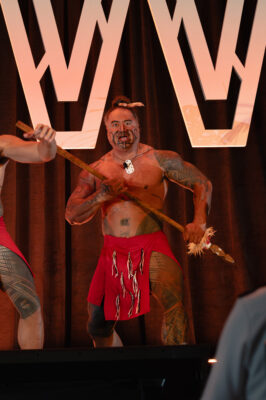
Haʻa Koa is more than a performance.
Most of our team thought we knew how Day Two was going to begin.
Coffee. Final checks. Attendees taking their seats. Then straight into the General Session.
At least, that was the plan most of us knew about.
Someone had kept a secret.
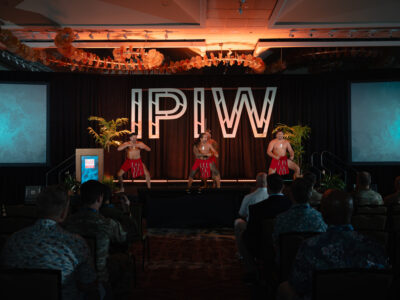
As the room settled, Haʻa Koa, the dance of the warriors, opened the General Session.
And suddenly, this did not feel like the start of another conference day in another ballroom.
It felt like Hawaiʻi.
More Than a Welcome
Haʻa Koa is more than a performance. It is a Hawaiian warrior tradition built around strength, unity, respect, and shared purpose.
That connection runs deep in Hawaiʻi’s military community too. The 25th Infantry Division at Schofield Barracks has its own Hui Haʻa Koa team, helping preserve the relationship between the Division and Hawaiian culture.
There could hardly have been a better way to begin a day focused on interoperability.
In our first blog, we talked about laulima: many hands working together.
Haʻa Koa gave us another version of that idea.
Individual voices becoming one voice. Individual movements becoming one movement.
Work together. Move together. Be stronger together.
Then it was time to put that message into practice.
From Warrior Spirit to Interoperability
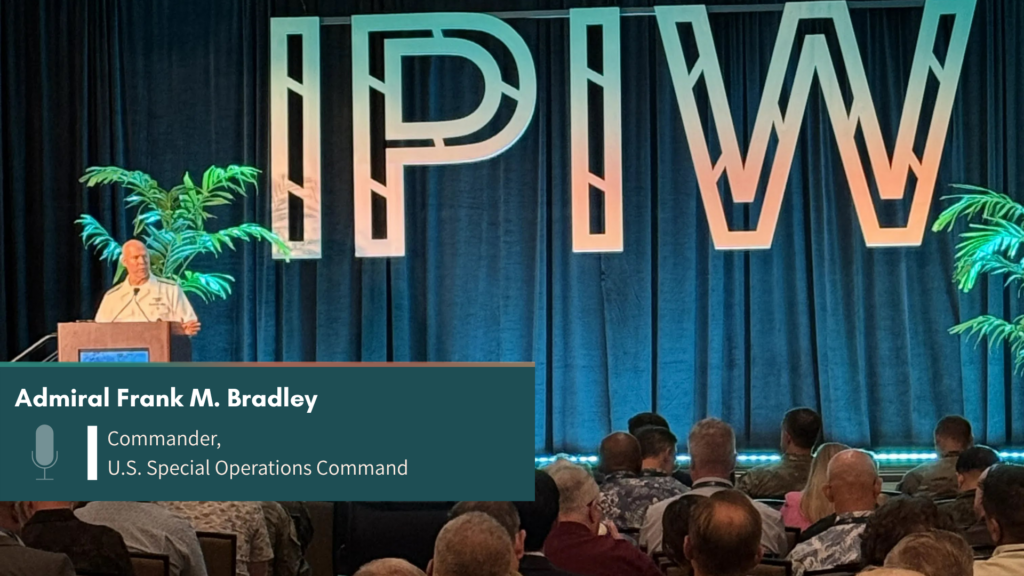
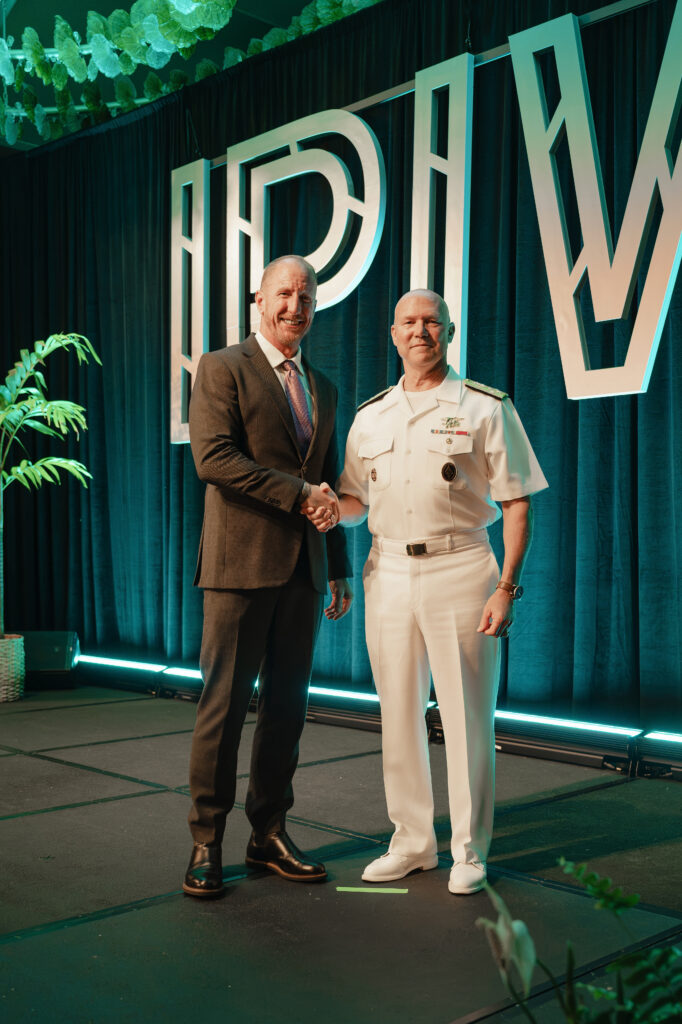
The General Session opened with Admiral Frank M. Bradley, Commander of U.S. Special Operations Command, delivering his powerful keynote address, “The Interoperability Imperative.”
With attendees from 24 nations in Honolulu, Admiral Bradley made it clear that interoperability is not an abstract concept. It is the rigorous work of translating, adapting, and integrating across diverse organizations and systems. It means understanding what different partners require, what they can contribute, where friction exists, and how relationships built before a crisis can make everyone stronger when it matters. Urging the room to build a unified alliance industrial base, his message was an urgent call to action.
Aligning Resources with Reality
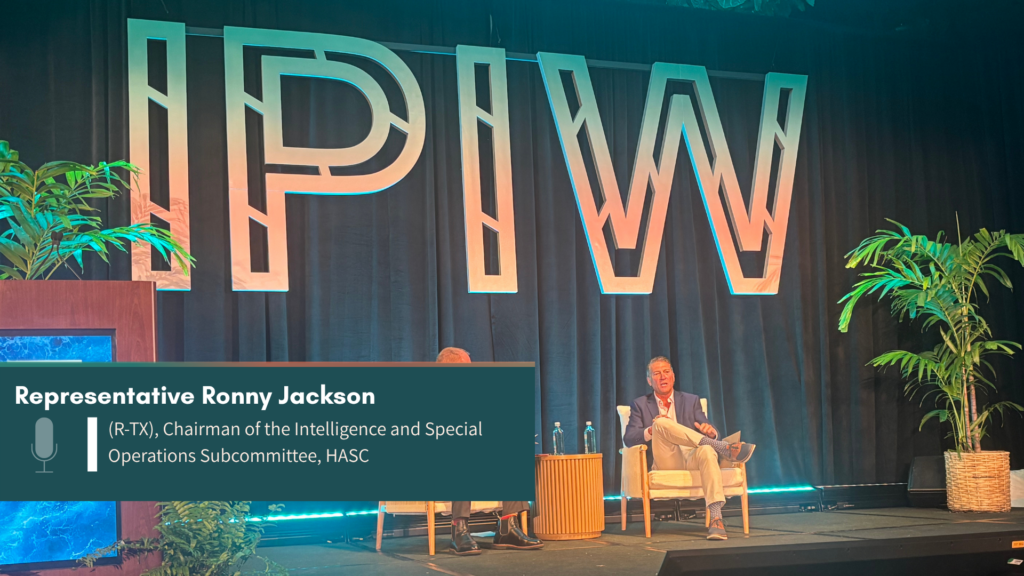
Representative Ronny Jackson, Chairman of the Intelligence and Special Operations Subcommittee on the House Armed Services Committee, also took the stage to share critical insights into the future of SOCOM funding and operator readiness.
He highlighted vital areas where leadership must bridge the gap between administrative planning and the real world realities our forces face:
- Aligning Resources with Reality: Addressing the disconnect where top level financial decisions are made early on without adequately consulting operators, leading to a mismatch between what is funded and what is required in the field.
- Enhancing Operational Readiness: Correcting this oversight to ensure that personnel executing high stakes, specialized missions have the precise tools, technology, and backing they need to succeed and stay safe.
- Creating Direct Communication: Ensuring that strategic planning and resource allocation directly reflect true operational needs rather than administrative guesswork by empowering the voices of operators on the ground.
Our operators know what they need to win the fight, and Representative Jackson made a compelling case for ensuring those needs are heard from the very beginning of the planning process.
An Electric Atmosphere on the Floor
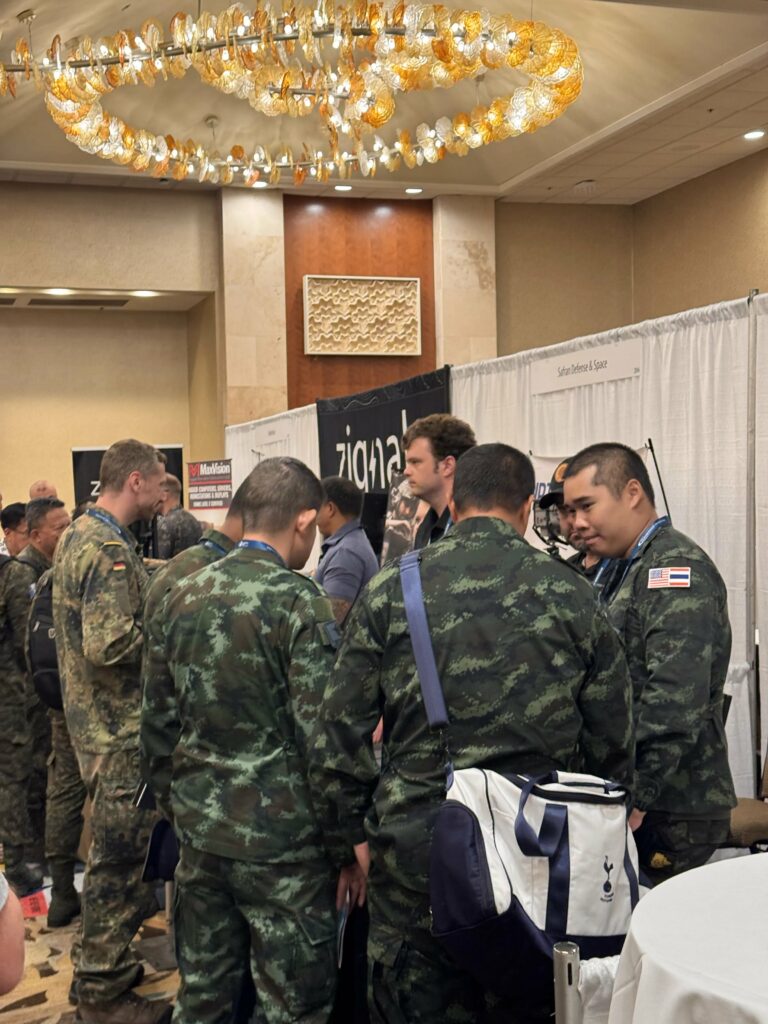
Taking a look around the venue right now, the sheer noise in these rooms is incredible. We have reached the halfway point, and with nearly a thousand registrations and over 800 people here with us today, you can really feel the energy.
Conversations have spilled over from lunch right into the exhibitor hall booths, and our CNECT program meetings are in full swing. All morning we talked about making our connections count and working together to succeed, and seeing that happen live is something special.
Dive back in, look around, and make sure you do not miss out on the conversation that could truly matter to you.
Take Center Stage
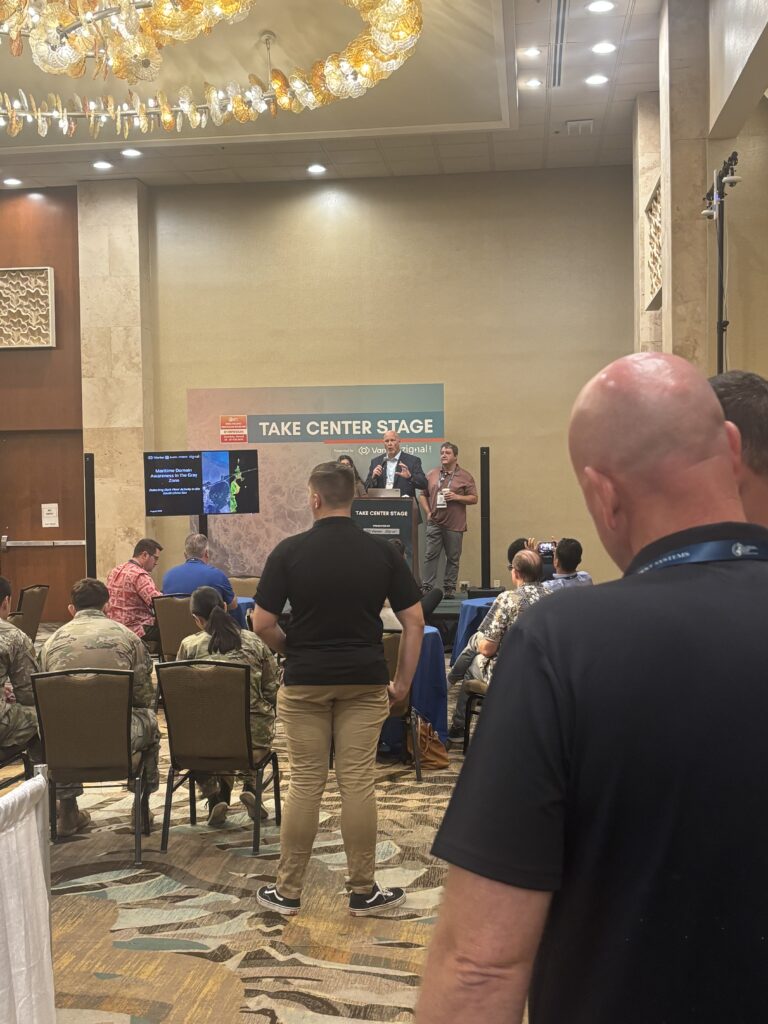
Day Two also brought Take Center Stage into the mix. The platform gives industry a short, focused opportunity to move beyond the booth and put capabilities directly in front of the community.
Wednesday’s presentations featured an electric session from Zignal Labs and Vantor. They commanded the room, presenting to a captive audience on their high impact capability solution. By delivering AI and agentic intelligence for national security, they demonstrated how to transform publicly available information into a structured, context rich intelligence layer. It integrates flawlessly into operational workflows and existing systems to enable earlier warning, informed tasking, and sustained decision advantages across missions.
If you have not done so already, you need to check in with Zignal Labs at Booth 202 today to see it for yourself.
These presentations highlight different technologies, but address a common question:
How do we see more, understand faster, and operate more effectively across the enormous distances of the Indo Pacific?
That is exactly what Take Center Stage is designed to encourage: putting capability next to requirement and giving the people in the room something tangible to talk about.
Heading to the Great Lawn
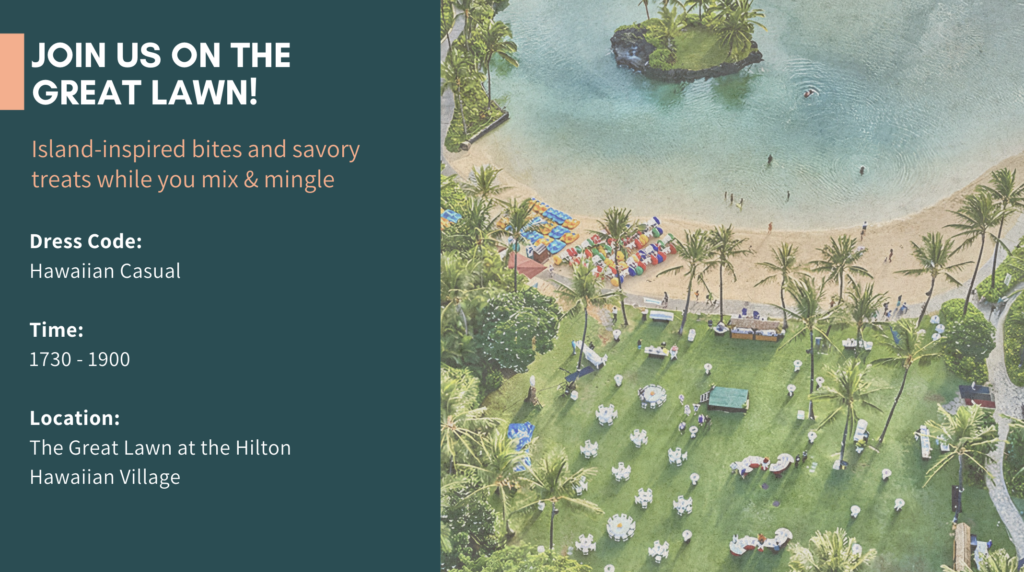
As our afternoon sessions wrap up, it was soon time to change the setting.
At 5:30 PM today, our attendees headed outside for the Networking Reception on the Great Lawn at the Hilton Hawaiian Village.
The formal agenda had finished, but the conversations certainly had not.
Military leaders, international delegates, industry partners, and friends continue connecting as Honolulu provides the backdrop.
No panel moderator. No countdown clock. No microphone.
Just the chance to pick up a conversation from earlier in the day, make one more introduction, or spend a little more time with someone you may not see again until our next gathering.
And sometimes those are the conversations that matter most.
One More Day
We started this blog series with laulima.
Many hands. Joint action. Working together.
Day Two began with Haʻa Koa and spent the hours that followed putting that same idea into practice.
Different nations. Different experiences. Different capabilities.
But a shared understanding that across an Indo Pacific this large and complex, nobody operates alone.
Tomorrow is our final day in Honolulu.
There are still sessions to hear, capabilities to see, bilateral meetings to hold, and conversations to continue.
Haʻa Koa gave Day Two its opening.
Laulima is still doing the work.

Leave a Reply