

This post highlights the latest insights from the 2026 Indo-Pacific Irregular Warfare Symposium.
Aug 18, 2026 – Aug 20, 2026 | Honolulu, Hawaii
Catch up on every entry in this series.
When we opened the week, we introduced a concept.
Laulima.
The Hawaiian tradition of many hands working together in cooperation.
It was a fitting way to welcome everyone to Honolulu.
But as we moved through today’s packed agenda at the Indo Pacific Irregular Warfare (IPIW) 2026 symposium, laulima became much more than a greeting.
It became the blueprint.
Before the main stage lights even came up, that blueprint was already in motion.
The day started early with the SOF Commanders Roundtable Breakfast.
Leaders broke bread, aligned their visions, and prepared for a schedule heavily focused on integration.
We needed to build lasting advantages alongside our partners.
Integration by Design
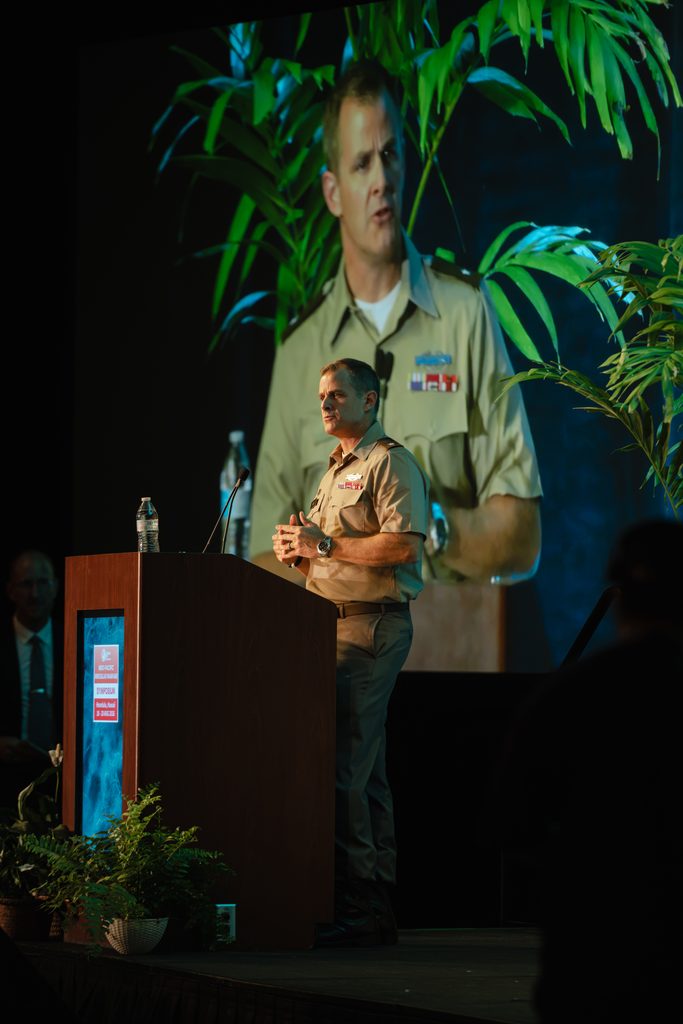
Brigadier General Michael D. Rose, Commander of Special Operations Command Pacific, set a commanding tone with his opening keynote.
His core message framed the strategic challenge perfectly.
The sheer scale of our conventional superiority is exactly what drives our adversaries toward irregular strategies.
If we want to win in the Indo Pacific, we have to outthink and outmaneuver them.
General Rose outlined a vision for autonomous campaigning.
He advocated for creating persistent dilemmas rather than relying strictly on persistent presence.
By utilizing affordable and distributed autonomous systems for maritime awareness and communication, we can democratize military capabilities for our smaller partners.
Yet amidst the talk of AI and sensors, he grounded the room with a critical truth.
Technology must always complement the human dimension.
Cultural fluency, human resistance networks, and deep relationships remain the true bedrock of special operations.
Advancing Shared Security Objectives
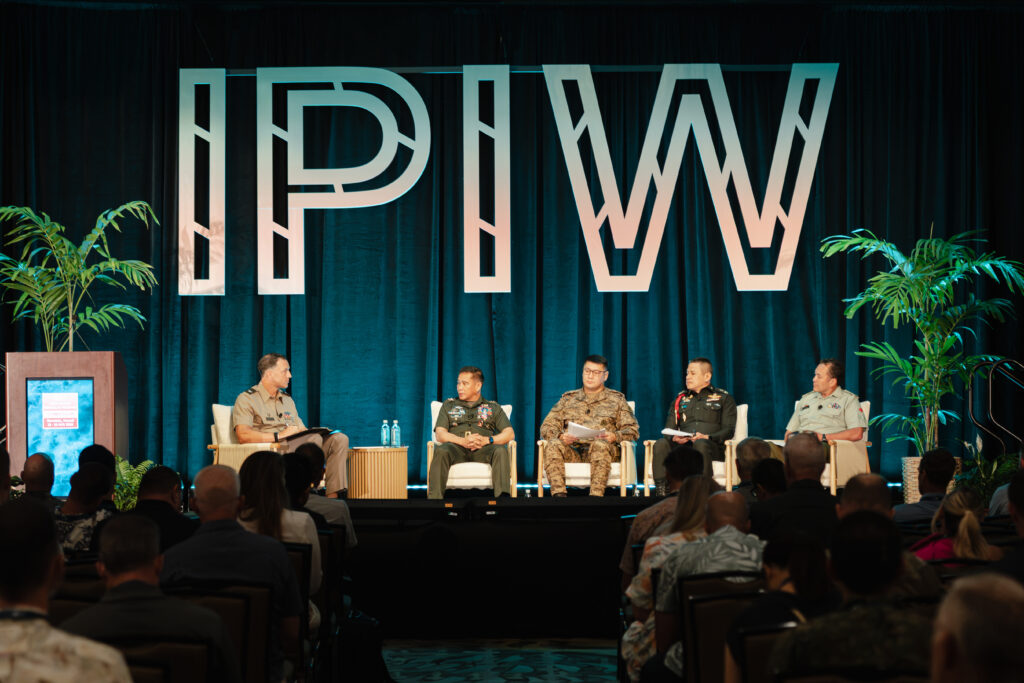
That focus on human connection flowed perfectly into our partner nation panel.
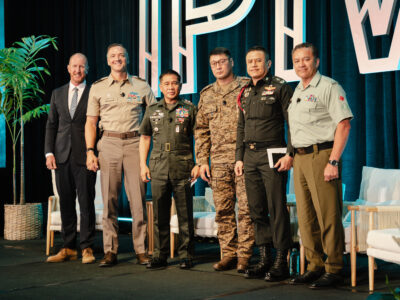
Moderated by Colonel Ronald Garberson, senior military leaders from the Philippines, Thailand, Mongolia, and New Zealand took the stage.
They were there to share real world lessons from their commands.
Major General Rosendo C. Abad Jr. reflected on the Siege of Marawi and the integration of new technology during the Balikatan exercise.
He showed the audience exactly how tech can transform traditional training.
Lieutenant Colonel Ganzorig Enkhtaivan detailed Mongolia’s decentralized decision making and their deployment of UAS capabilities in UN missions.
While each nation brought a unique perspective, the consensus was undeniable.
Overcoming legal hurdles, commander hesitation, and technological friction points requires enduring trust.
We need sustainable ecosystems and multigenerational relationships to keep the Indo Pacific secure and free.
Mastering the Fundamentals
Later in the day, Major General Jeffrey A. VanAntwerp delivered a keynote that challenged everyone to completely rethink capability development.
He reminded us that irregular warfare is everyone’s job.
Deterrence requires the continuous forward demonstration of combat credible capabilities.
We cannot simply squirrel technology away for future conflicts.
It has to be tested, evaluated, and demonstrated right now.
He also laid out a rigorous and common sense framework for adopting new technology.
Problem, payload, platform.
Always define the tactical problem first, then the effect needed, and finally the platform.
Do not search for a problem just to fit a shiny new drone.
Then came the tennis racket lesson.
He shared a brilliant story about his father proving that mastery of basic fundamentals always trumps advanced technology.
You cannot buy your way out of needing basic lethality.
Upgrading the racket does not matter if you do not upgrade the player.
Countering autonomous systems will also require a return to passive measures.
If you are stationary, you better go underground.
Digging in and employing deception are back in a big way.
Finally, he touched on distributed command.
We will win by pushing powerful tools forward to edge nodes, not by centralizing decisions in a single mastermind cockpit.
Conversations That Count
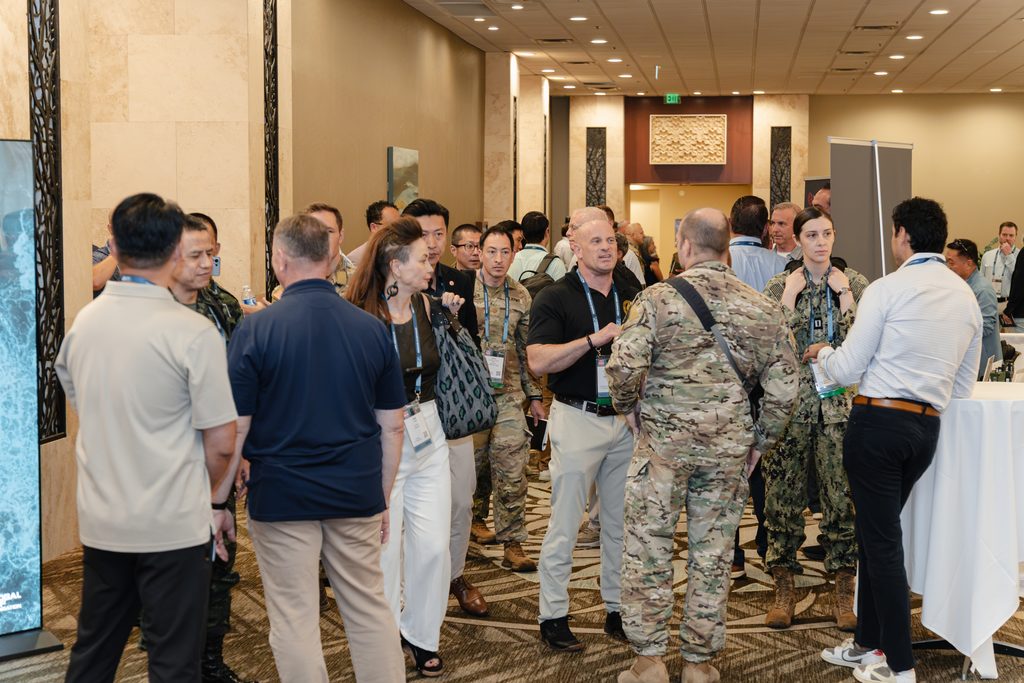
Taking a look around the venue today, the energy was simply incredible.
The sheer noise and activity in the exhibit hall spoke volumes about the value of bringing this community together in person.
Between the keynotes, the networking around the exhibit floor and the bilateral sessions kept the momentum going.
Attendees fueled up on Kaibu coffee and connected with innovators across the space.
They were engaging directly with operators.
They wanted to figure out exactly how to solve the complex problems discussed on stage.
That is where the real work happens.
Tightening the feedback loop between the people building the tools and the warfighters who will rely on them.
Right now, even as the hall breaks down and the day comes to a close, those vital conversations are still taking place in the corridors and lobbies.
It all comes back to that one word we started the week with.
Laulima.
Many hands. Joint action. Working together.
Nobody operates alone in a theater this massive.
 The Warrior Spirit: Day Two at IPIW 2026
Leave a Reply