
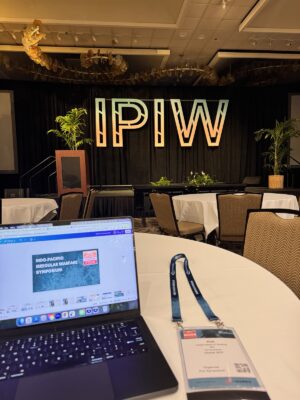
This blog is about the Indo-Pacific Irregular Warfare Symposium 2026.
18 – 20 AUG 2026 | Honolulu, Hawaii
The Indo-Pacific is huge, complicated, and moving fast. Distance matters here. Supply chains matter. Partnerships matter. And with the security picture changing across the region, nobody can afford to figure it out alone.
Last year, Bangkok showed us just how far this community will travel to come together. With 29 nations represented and some great conversations along the way, it felt right to bring the story back to where it started: Honolulu.
So today, we brought the community back together to pick up that conversation.
Before we get into Day One, our thoughts are with everyone across Hawaiʻi who has been impacted by the storm. We hope our local friends, colleagues, attendees, and their families are safe, looked after, and doing well.
For anyone who needs updates, support, or local emergency information, the Hawaiʻi Emergency Management Agency has resources and links to county alerts available here.
An Event With Purpose
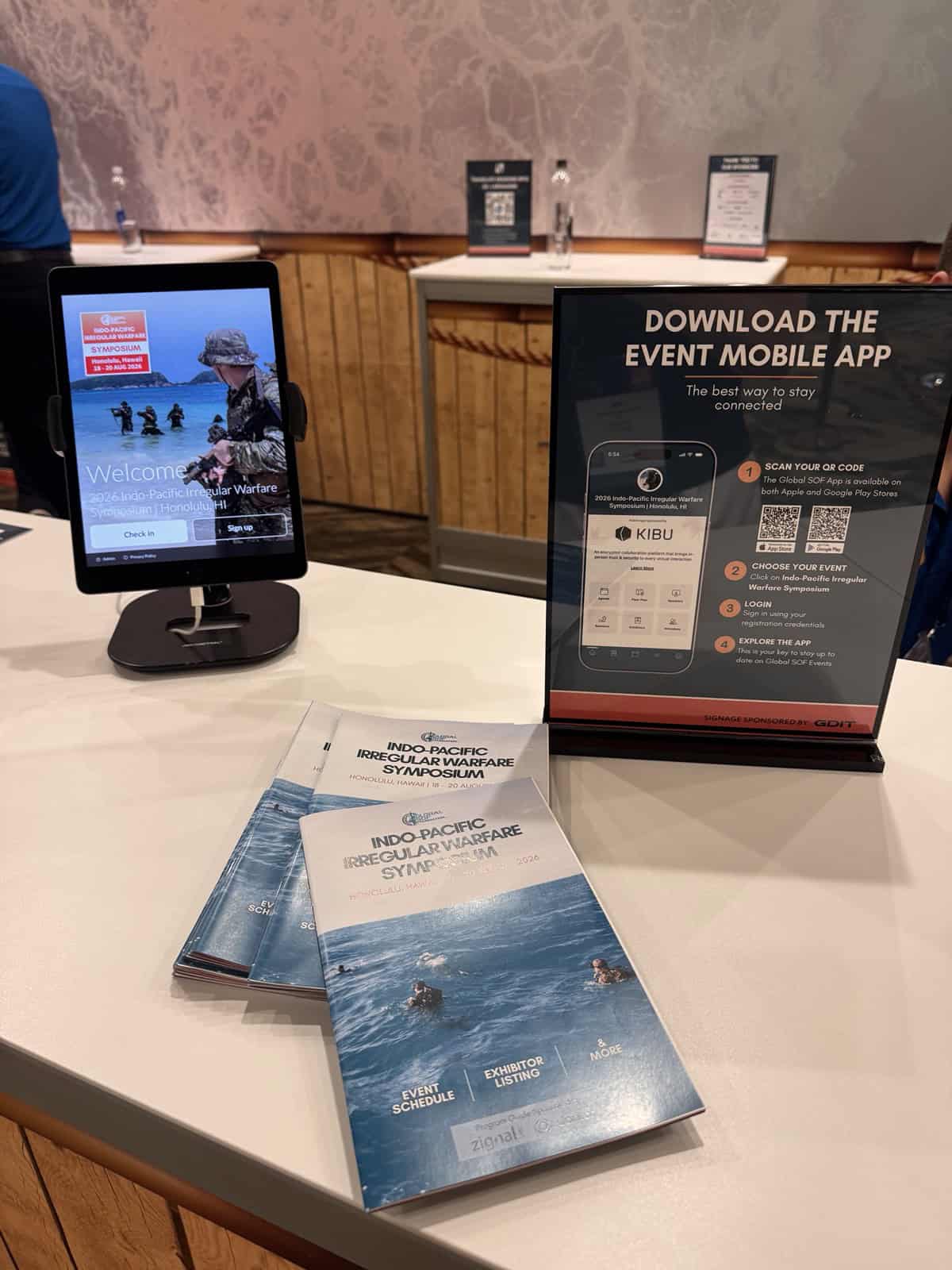
The badges are on, the booths are built, old friends are finding each other again, and new introductions are already being made.
IPIW 2026 is officially underway in Honolulu.
Day One of the Indo-Pacific Irregular Warfare Symposium was never going to be the busiest day on the agenda. Instead, it was about getting everyone into place, starting conversations, and bringing together a community that has traveled to Hawaii from across the Indo-Pacific and well beyond.
And behind the scenes, that started long before the first attendee walked through the doors.
The Global SOF team and our exhibitors spent the early hours putting the final pieces together inside the Mid-Pacific Conference Center at the Hilton Hawaiian Village: registration ready, booths built, meeting spaces prepared, and, yes, plenty of last-minute checks to make sure everything was where it was supposed to be. The Symposium is being held in the Coral Ballroom at the Mid-Pacific Conference Center, right in the heart of the Hilton Hawaiian Village.
By mid-morning, though, the event had moved from setup to substance.
CNECT meetings were already underway, putting military and government attendees directly into conversations with industry. International delegates gathered for orientation. Later in the afternoon, military and government leaders moved behind closed doors for a dedicated session before the wider community came together.
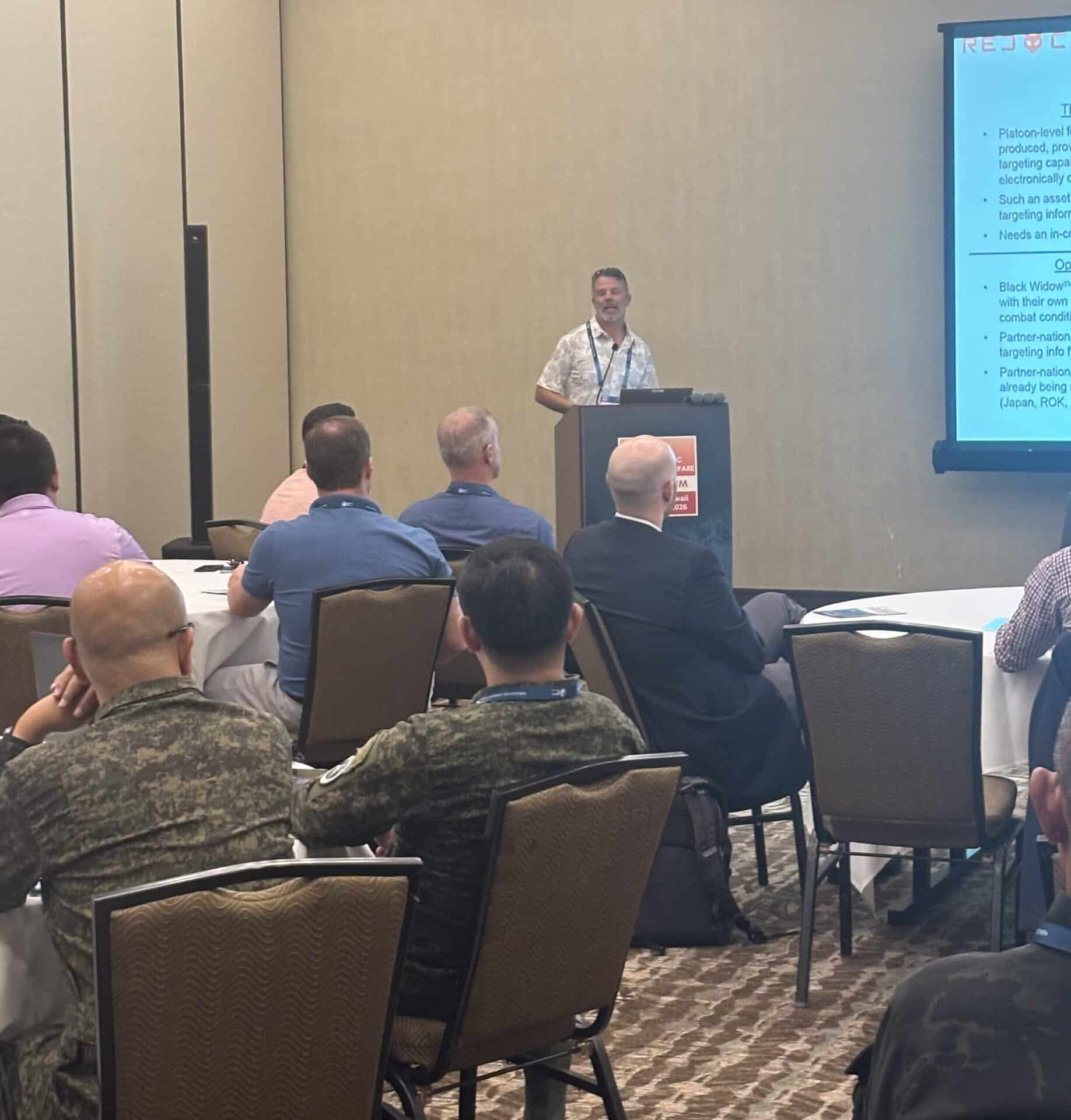
Aloha, IPIW
At 5:30 PM, the Exhibit Hall opened for the Welcome Reception.
After a day spent arriving, setting up, sitting in meetings, and catching people between sessions, this was the first real opportunity for the wider IPIW community to come together in one place.
Refreshments in hand, the Exhibit Hall quickly became less about booths and more about conversations.
Military leaders met industry partners. International delegates connected with counterparts from other nations. Old relationships picked up where they left off, while plenty of new ones began with a handshake and an introduction.
And when you look around that room, the international scale of this year’s Symposium becomes very real.
We are currently tracking attendees from 24 nations:
Australia, Canada, Colombia, Denmark, Fiji, France, Germany, India, Japan, Mongolia, Nepal, Netherlands, New Zealand, Papua New Guinea, Philippines, Poland, Republic of Korea, Singapore, Slovakia, Sweden, Thailand, Ukraine, the United Kingdom, and the United States of America.
That is a lot of different uniforms, accents, experiences, requirements, and perspectives gathered in Honolulu.
And that is the point.
The Indo-Pacific presents challenges that no single organization, service, nation, or company can address alone. IPIW is designed to bring SOF regional and maritime commands together, strengthen international partnerships, improve interoperability, and help industry better understand the capability gaps operators are facing.
But those outcomes rarely begin with a presentation slide.
Sometimes they start with a conversation at a reception.
An operator explaining a problem to someone from industry who has never heard it described quite that way before.
Two partner nations realizing they are confronting remarkably similar challenges.
An introduction that becomes a meeting tomorrow, a bilateral conversation on Thursday, or perhaps something much bigger after everyone leaves Honolulu.
Those moments will not appear on the formal agenda.
But they are a huge part of why we are here.
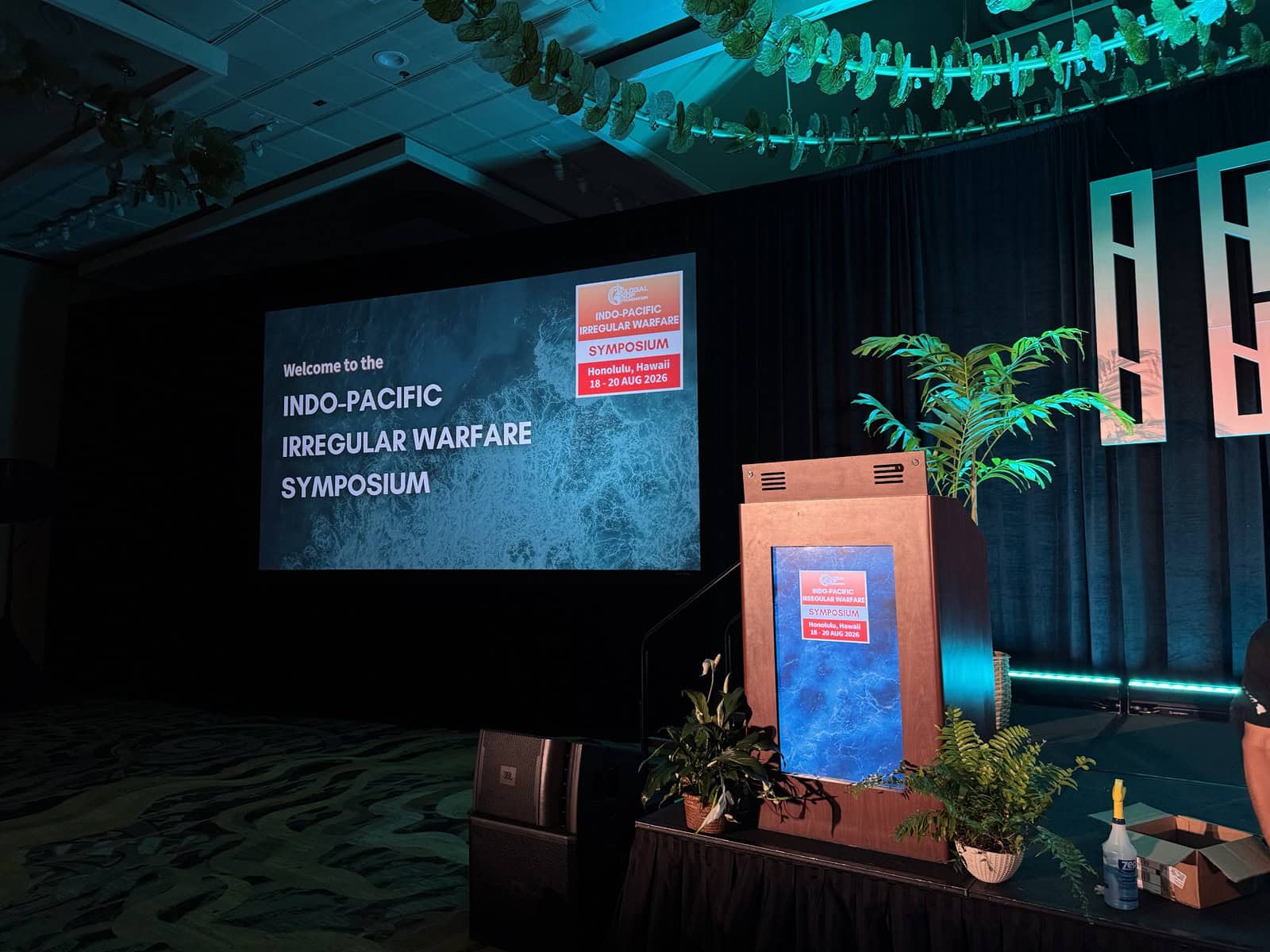
Tomorrow, the Conversation Gets Bigger
If Day One was about bringing the community together, Wednesday is when we start putting some of the biggest questions on the table.
The Exhibit Hall reopens over breakfast before the General Session gets underway, while CNECT meetings, bilateral discussions, industry networking, and VIP tours continue around the main program.
And at the center of Wednesday’s conversation is one word:
Interoperability.
The opening keynote, “The Interoperability Imperative,” will tackle the realities of operating across the Pacific theater: where technology helps, where it can become a barrier, how partner nation capabilities can become force multipliers, and the role industry has in helping solve integration challenges.
Then comes “Lessons from the Sharp End: Combat Integration Models.”
Not just what should work.
What actually works.
What happens when concepts developed in training meet operational reality? Where does technology fail? What have we learned about command relationships and sustainment? And, most importantly, how do we take those lessons and make the force better?
The conversations will continue well beyond the stage.
Wednesday includes more time for CNECT, bilateral meetings, industry engagement, networking in the Exhibit Hall, and an evening reception at the Hilton Hawaiian Village before everyone returns for the final day on Thursday.
Thursday brings another morning of general sessions, the SOF Commanders’ Roundtable Breakfast, further bilateral engagements, industry networking, and more opportunities to turn the conversations started this week into something tangible.
Because that is really the story of IPIW.
It is not simply about who takes the stage.
It is about who is in the room.
Twenty-four nations have come to Honolulu carrying different experiences, different capabilities, and different requirements.
Tonight, over a few drinks and a lot of conversations in the Exhibit Hall, those worlds started to connect.
Day One brought everyone together. Now we get to see where those conversations go.
 Laulima: Why Coming Together Matters in the Indo-Pacific
Leave a Reply