• Skip to main content
  • Skip to header right navigation
  • Skip to site footer
Global SOF Foundation

Empowering SOF through Global Partnership

  • Membership
    • Member Portal
    • JOIN – Individual
    • JOIN – Corporate Partner
  • About
    • Mission
    • Board of Directors
    • Our Staff
    • Our Advisors
    • SkillBridge Fellows
    • GSOF Lifetime Achievement Awards
    • Global SOF Policies
  • Events
    • Upcoming Events
    • Event Sponsorships
    • SOF Imperatives Forum
    • Special Air Warfare Symposium
    • SOF Week
    • Indo-Pacific Irregular Warfare Symposium
    • GSOF Symposium – Europe
    • Modern Warfare Week
    • Speaker Interest
    • Past Events
  • Our Programs
    • GSOF Committees
    • GSOF CNECT
    • Capability Accelerators
    • GSOF Gives Back
    • SOF for Life
    • SOF Imperatives
  • Connect
    • SOFspot Podcast
    • Global SOF Store
    • Photos
    • Videos
    • Marketing Opportunities
  • Publications
    • Blog
    • GSOF Library
    • GSOF in the News
    • Spear Points
  • Partners
    • Corporate Partner Directory
    • Partner Capability Videos
    • Partnership Benefits
    • International Engagement Guide
Dive into our 2021 Imperatives for SOF

Dependent Indemnity Compensation & Why You Should Know About It!

You are here: Home / SkillBridge Fellows / Dependent Indemnity Compensation & Why You Should Know About It!
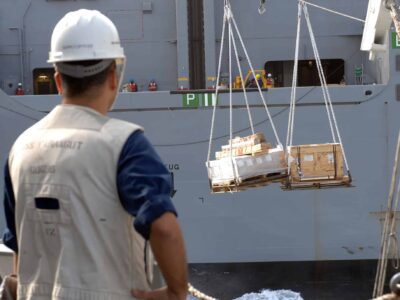
100209-N-7088A-072 GULF OF ADEN (Feb. 9, 2010) Lt. Mike Augustine, supply officer aboard the Arleigh Burke-class guided-missile destroyer USS Farragut (DDG 99), observes the transfer of supplies during an underway replenishment. Farragut is part of Combined Task Force 151, a multinational task force established to conduct anti-piracy operations in the Gulf of Aden. (U.S. Navy photo by Mass Communication Specialist 1st Class Elizabeth Allen/Released)

This blog was written by CDR (Ret) Chuck Neu, former Global SOF Foundation SkillBridge Fellow.

U.S. Department of Veterans Affairs (VA) disability compensation recipients and non-compensable VA claimants, do you know what Dependent Indemnity Compensation (DIC) is and why it is SO VERY important to your dependents?

100209-N-7088A-072 GULF OF ADEN (Feb. 9, 2010) Lt. Mike Augustine, supply officer aboard the Arleigh Burke-class guided-missile destroyer USS Farragut (DDG 99), observes the transfer of supplies during an underway replenishment. Farragut is part of Combined Task Force 151, a multinational task force established to conduct anti-piracy operations in the Gulf of Aden. (U.S. Navy photo by Mass Communication Specialist 1st Class Elizabeth Allen/Released)

DIC is a tax-free monetary benefit paid to eligible survivors of military service-members who died in the line of duty or eligible survivors of veterans whose death resulted from a service-related injury or disease.

What does that mean to you?  

Let’s say you have a respiratory condition that you acquired on active duty–as many of us do. If you die from that respiratory condition, your surviving spouse can receive DIC for the rest of their life. You and your spouse need to understand this, and need to create a “Death Packet” that contains your VA file, VA award, etc. so that’s ready for your spouse when you pass on. It doesn’t sound like the most appealing thing to do, but it’s important to ensuring financial security for your family.
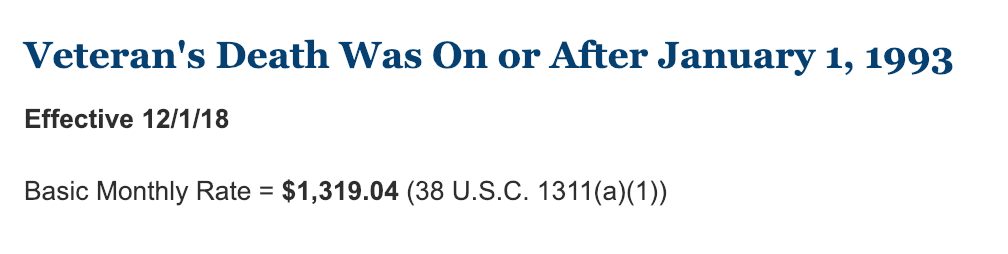
There is a job for your spouse– if you do unfortunately pass– he or she must file the claim! Similar to our recent blog on VA Disability Rates for Dependents [link], this is an example of a non-automatic benefit that you must remain current and educated on. It’s important, because DIC is a monthly benefit that ranges between $1,500- $3,500–starting at $1,319 but with a variety of allowances for additional dependents, etc. See the rates on the VA website.
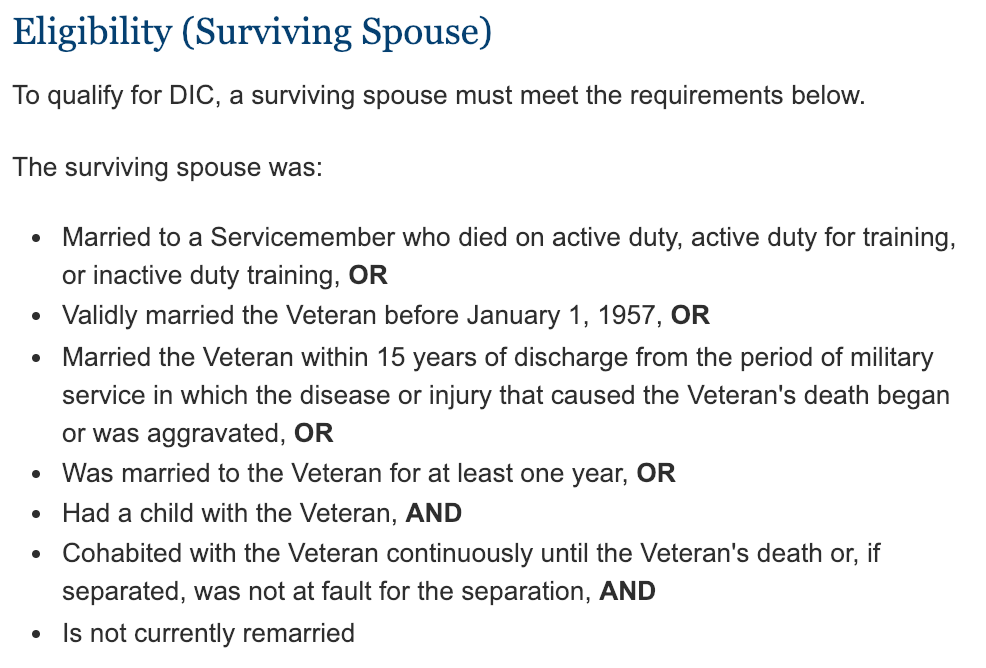
Make Sure Your Family is Taken Care Of

Remember, your compensable, and even your 0% rated disabilities that were acquired on active duty, MUST appear on your VA claim as “Service Connected.”

Here’s a scenario. Imagine that you die from a respiratory illness. It is listed on your VA claim but does NOT have the “Service Connected” caveat when in fact it should. Your surviving spouse and dependents would not receive DIC. This would be a travesty, and this is why you MUST OWN your claim and ensure both you, your spouse, and dependents are knowledgeable about VA benefits.  Review your claim today. Are your disabilities correctly listed as “service connected” where appropriate?

Lastly, ensure your spouse knows what to do when you pass on and knows what benefits they are entitled to. At the very least, ensure that they know to PERSISTENTLY contact a Veterans Service Organization upon your death.

Learn more on the DIC website.

Category: SkillBridge Fellows, SOF for Life

About Chelsea Hamashin

Ms. Chelsea Hamashin is the Chief of Staff for Global SOF.

Previous Post:A Unique Treatment for SOF Veterans with TBI and PTSD
Next Post:Here’s what makes our U.S. Symposium Special in 2019

Reader Interactions

Leave a Reply Cancel reply

Your email address will not be published. Required fields are marked *


This site uses Akismet to reduce spam. Learn how your comment data is processed.

Sidebar

Become a part of our SOF Network!

Click here to Join Our Mailing List

  • Facebook
  • Instagram
  • LinkedIn
  • Twitter
  • YouTube

Join GSOF

The Global SOF Foundation aims to build and grow an international special operations network to advance SOF capabilities and partnerships to confront global and networked threat

Join & Learn More

Contact Us

Global SOF Foundation

Global SOF
3690 W. Gandy Blvd. #140
Tampa, Florida 33611

Email: [email protected]

Become a part of our SOF Network–join our Mailing List!

JOIN MAILING LIST

Search

  • Facebook
  • Instagram
  • LinkedIn
  • Twitter
  • YouTube

Copyright © 2021 Global SOF Foundation · Privacy Policy · Sitemap · Digital Marketing by Bricks & Clicks Marketing